
Trenching Services in Wheatland, MO
D&D Dirtwork, LLC
provides trenching services for property owners and contractors throughout Wheatland, MO who need precise excavation for utilities, drainage, or irrigation lines. Trenching cuts a controlled, properly sized channel into the ground so pipe, conduit, or wiring can be installed at the correct depth and grade. Every trenching project is completed with attention to existing underground lines, soil type, and the final backfill and compaction needed to leave the site stable and ready for use.
What Our Trenching Services Include
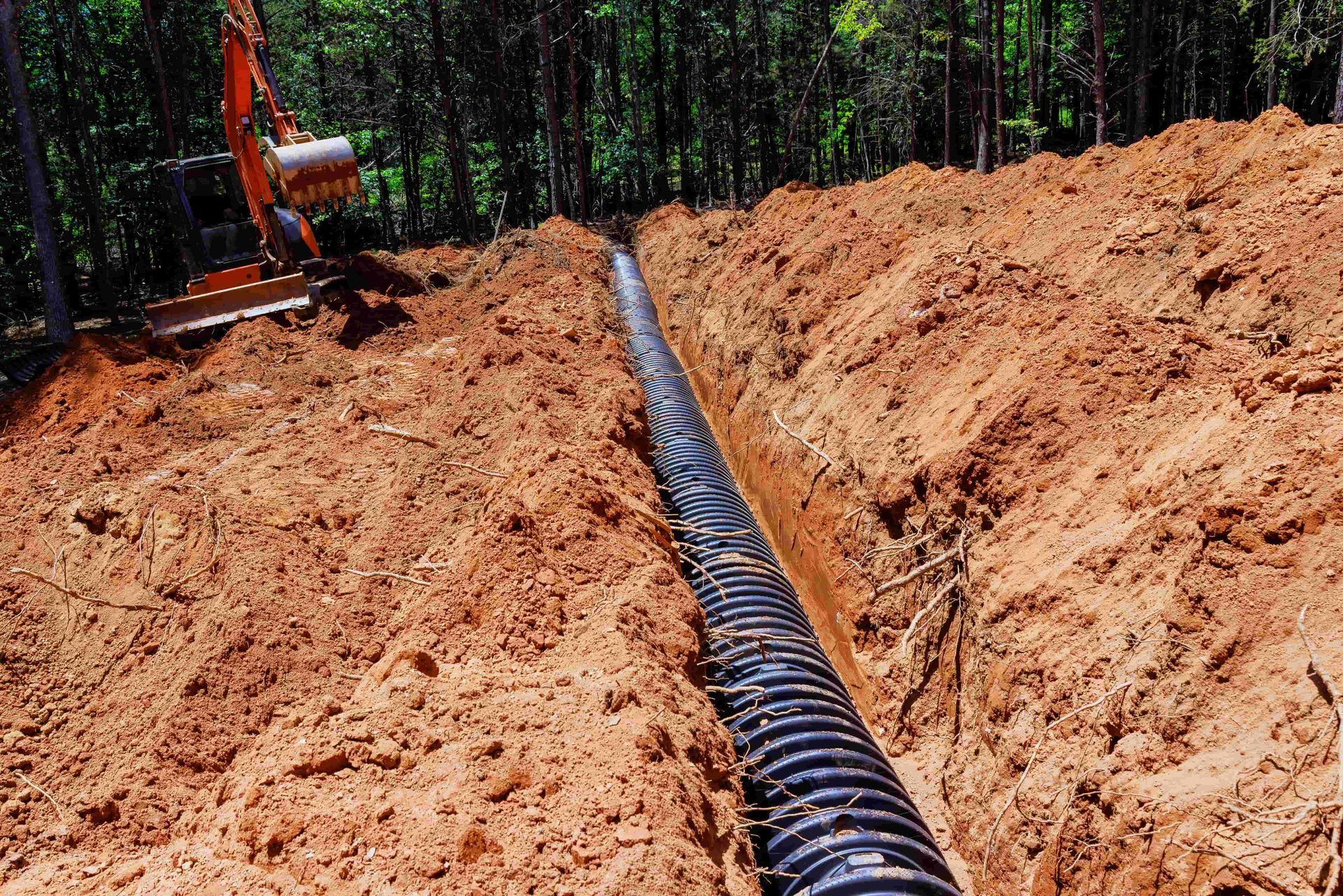
Trenching from D&D Dirtwork, LLC covers a range of underground installation needs, from utility trenching to drainage and irrigation lines. Our trenching equipment can cut narrow, precise channels or wider trenches depending on what is being installed. Trenching also includes backfilling and compacting the excavated area once the line is in place, so the trench does not settle unevenly or create a soft spot in the yard or driveway.
Utility Trenching
Utility trenching creates a path for water, electrical, or gas lines to be installed at the depth required by local code.
Drainage Trenching
Drainage trenching channels water away from problem areas, directing it toward a French drain, dry well, or approved discharge point.
Trenching for Utility Line Installation
New construction and property upgrades in Wheatland often require trenching for water, sewer, electrical, or gas lines. Our trenching crews dig to the specified depth and width for each utility type, working carefully around existing structures, trees, and other underground lines. Trenching for utilities is coordinated closely with the contractor or utility provider so the trench meets required specifications before the line is installed and the area is backfilled.
Trenching for Drainage Systems
Poor drainage is a common issue on properties throughout Wheatland, and trenching is often the most direct way to solve it. Drainage trenching creates a defined path for water to travel away from foundations, low spots, and saturated areas of the yard. Trenching for drainage is frequently paired with dirt work and grading to make sure water reaches the trench in the first place, rather than pooling before it ever gets there.
French Drain Trenching
A trench cut for a French drain holds a perforated pipe and gravel bed that collects and redirects underground water.
Surface Water Diversion Trenching
Shallower trenches can carry surface runoff away from structures and toward a safe discharge point on the property.
Trenching Around Existing Structures and Lines
Trenching near buildings, driveways, septic systems, or other underground lines requires extra care to avoid damage. Before any trenching begins, our team accounts for known utility locations and works methodically to avoid conflicts. This careful approach to trenching protects existing infrastructure while still delivering the precise excavation needed for the new line or drainage system being installed.
Trenching for Irrigation Systems
Homeowners and agricultural operations around Wheatland use trenching to install irrigation lines for lawns, gardens, or crop areas. Irrigation trenching is dug to a consistent, shallow depth that protects the line from damage while keeping it accessible for future repairs. Our trenching crews lay out irrigation trenches according to the system design, whether that is a simple drip line or a more extensive sprinkler layout.
Frequently Asked Questions
What is trenching used for?
Trenching is used to excavate a controlled channel in the ground for utility lines, drainage systems, or irrigation piping.
How deep does a trench need to be?
Trench depth depends on what is being installed; utility lines often require a specific minimum depth set by local code, while drainage and irrigation trenches are typically shallower.
Does trenching include backfilling the trench?
Yes, most trenching services include backfilling and compacting the trench once the line or pipe has been installed.
Can trenching be done near existing utility lines?
Yes, trenching crews account for known underground lines and work carefully to avoid damaging existing utilities during excavation.
How long does a trenching project take?
Most residential trenching projects are completed in a single day, while longer utility or drainage runs may take longer depending on length and soil conditions.
Is trenching necessary for drainage problems?
Trenching is one of the most effective ways to redirect water away from a problem area, especially when paired with proper grading.
What equipment is used for trenching?
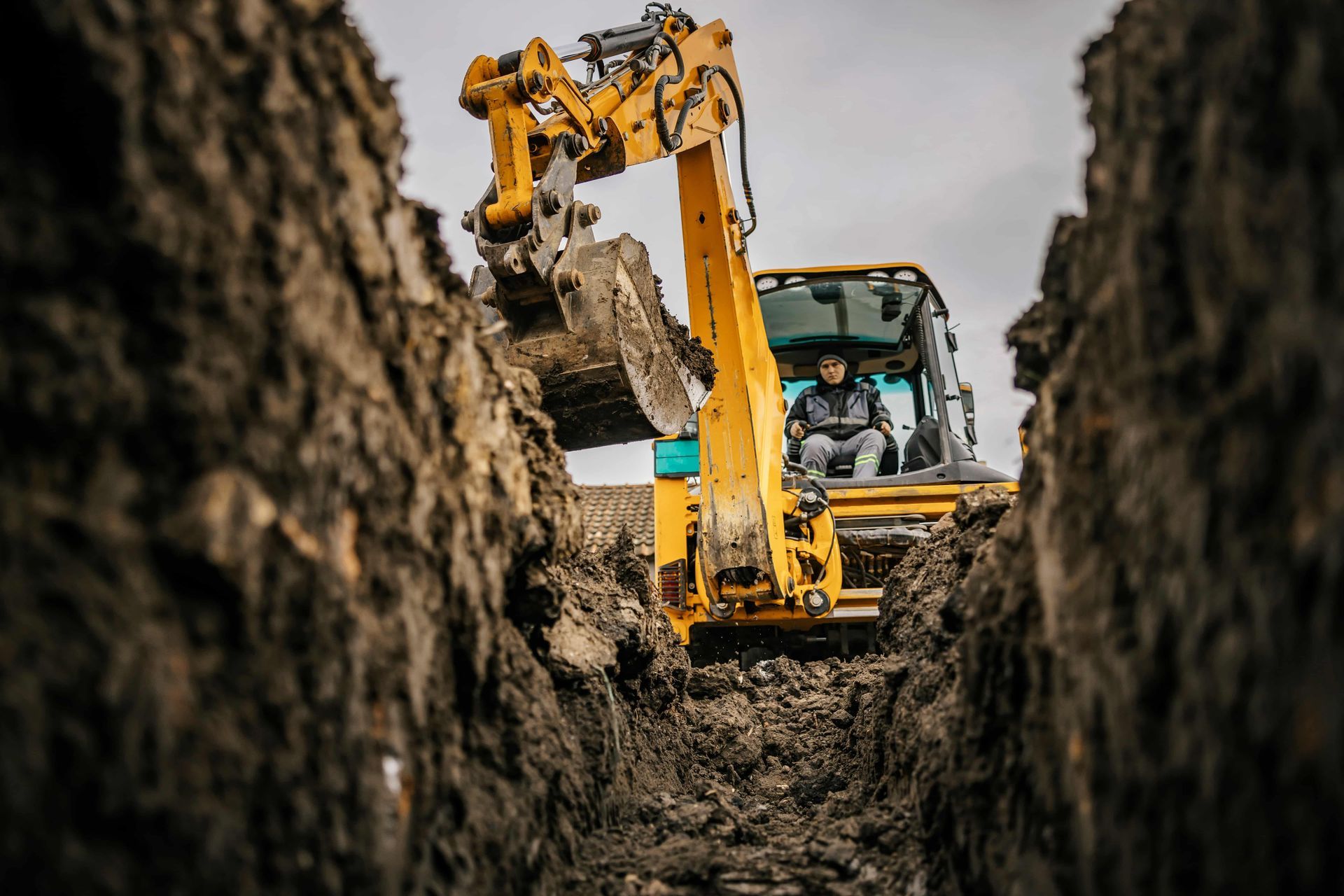
Trenching is typically performed with a trencher attachment or excavator sized appropriately for the depth and width required.
Can trenching be done in rocky or clay-heavy soil?
Yes, trenching equipment can handle a range of soil conditions, though rocky or dense clay soil may affect the pace of excavation.
Do you offer trenching for irrigation systems?
Yes, we provide trenching for residential and agricultural irrigation lines throughout the Wheatland area.
Is a permit required for trenching?
Permit requirements depend on what is being installed and local regulations; our team can help determine if a permit is needed.
Contact D&D Dirtwork, LLC to schedule trenching service in Wheatland, MO.