
Forestry Mulching in Wheatland, MO
D&D Dirtwork, LLC
offers forestry mulching services for property owners throughout Wheatland, MO who need to clear trees, brush, and undergrowth efficiently. Forestry mulching uses specialized equipment to grind vegetation into mulch on site, eliminating the need to haul away cut material while improving soil conditions as the mulch breaks down. This makes forestry mulching an efficient, environmentally friendly option for land clearing, pasture reclamation, and property maintenance across Hickory County.
How Forestry Mulching Works
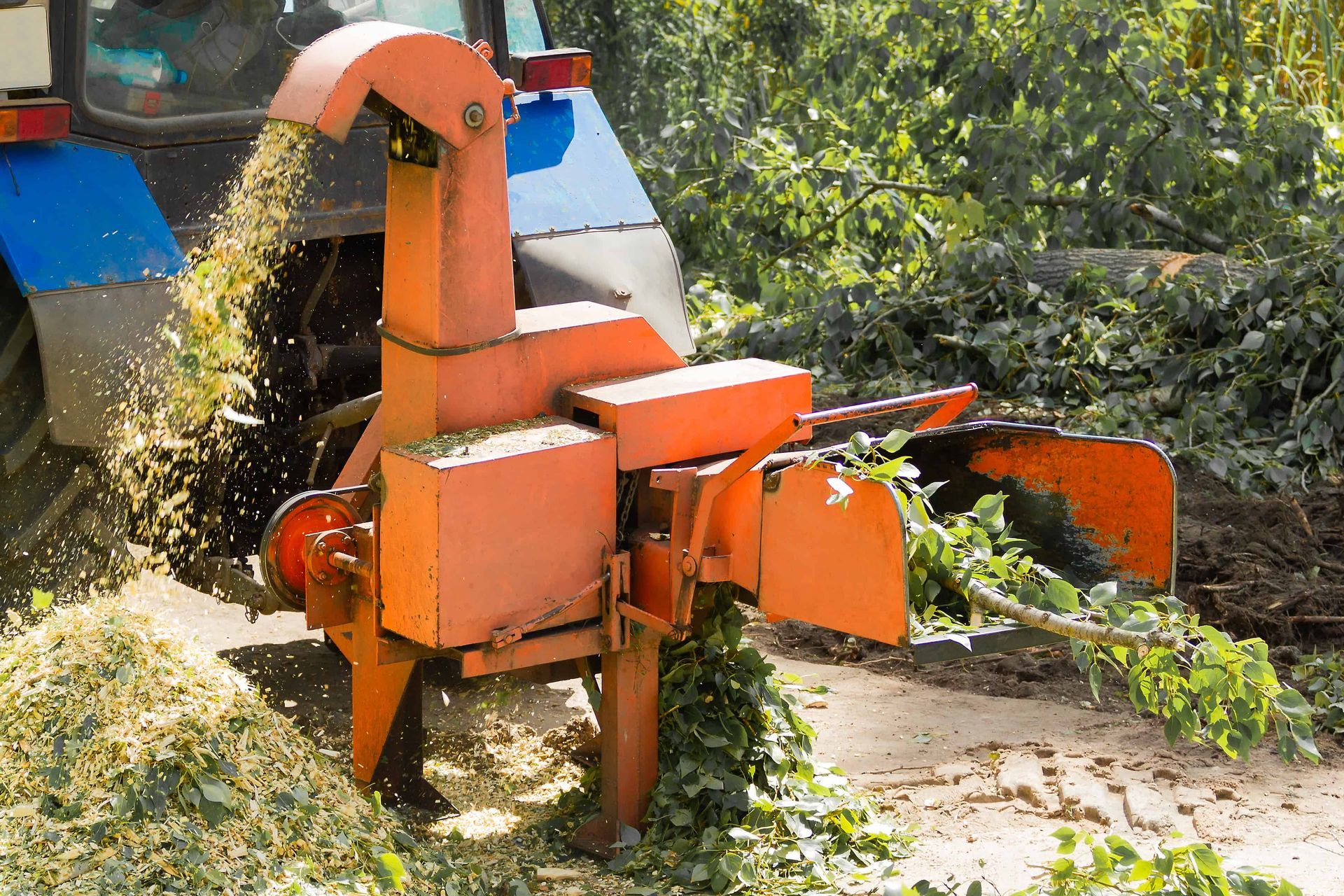
Forestry mulching uses a specialized mulching head, typically mounted on a skid steer or similar machine, to grind trees, brush, and undergrowth into fine mulch in a single pass. Unlike traditional clearing methods that require cutting, hauling, and burning debris, forestry mulching processes vegetation on site, leaving behind a layer of mulch that helps retain soil moisture and suppress future weed growth. This makes forestry mulching faster and often more cost-effective than conventional land clearing for many properties.
Single-Pass Vegetation Clearing
Forestry mulching processes standing brush and small trees in one pass, significantly reducing clearing time compared to manual methods.
On-Site Mulch Production
The mulch created during forestry mulching stays on site, adding organic material back into the soil as it decomposes.
Forestry Mulching for Land Clearing
Forestry mulching is a popular choice for site preparation and land clearing projects around Wheatland because it clears vegetation quickly without the debris piles associated with traditional clearing. Forestry mulching is particularly effective on properties with dense underbrush, small to medium trees, and mixed vegetation, leaving a clean, mulched surface ready for further grading or immediate use. This approach also reduces erosion risk compared to clear-cutting, since the mulch layer helps protect exposed soil.
Forestry Mulching for Pasture and Agricultural Land
Landowners looking to reclaim overgrown pasture or expand agricultural land often turn to forestry mulching as an efficient alternative to burning or hauling cleared vegetation. Forestry mulching clears invasive brush and small trees while leaving the mulch layer to enrich the soil, which can benefit future grass or crop growth. This method is well suited to the mixed woodland and pasture terrain common throughout the Wheatland area.
Pasture Reclamation Mulching
Forestry mulching clears woody encroachment from pasture, restoring grazing land without the debris cleanup required by other clearing methods.
Right-of-Way and Access Clearing
Mulching is effective for clearing brush along access roads, right-of-ways, and utility corridors where a clean, mulched surface is preferred.
Environmental Benefits of Forestry Mulching
Forestry mulching leaves behind a natural mulch layer that helps retain soil moisture, reduce erosion, and suppress weed regrowth as it breaks down over time. This makes forestry mulching a practical choice for landowners who want to clear vegetation while minimizing soil disturbance. Over time, the decomposing mulch also contributes organic matter back into the soil, which can improve conditions for future grass, pasture, or landscaping use.
Forestry Mulching vs. Traditional Land Clearing
Compared to traditional clearing methods, forestry mulching offers several practical advantages for property owners in Wheatland. There's no need to pile, haul, or burn debris, which saves time and reduces disposal costs. Forestry mulching also leaves the root systems of larger trees intact, which can help stabilize slopes and reduce erosion in certain applications. For dense underbrush and smaller vegetation, forestry mulching is typically faster than cutting and removing material by hand or with brush cutting equipment alone.
Frequently Asked Questions
What is forestry mulching?
Forestry mulching is a land clearing method that uses a specialized mulching head to grind trees, brush, and vegetation into mulch on site.
How is forestry mulching different from brush cutting?
Forestry mulching grinds vegetation into fine mulch left on the ground, while brush cutting typically leaves cut material intact on the surface.
What size trees can forestry mulching handle?
Forestry mulching equipment can typically handle small to medium trees along with dense brush and undergrowth, depending on the machine used.
Does forestry mulching remove tree stumps?
Forestry mulching primarily targets standing vegetation and smaller trees; larger stumps may require separate stump grinding services.
Is forestry mulching good for pasture reclamation?
Yes, forestry mulching is commonly used to clear woody encroachment and restore overgrown pasture to usable grazing land.
Does forestry mulching help prevent erosion?
Yes, the mulch layer left behind helps protect exposed soil and reduce erosion compared to clear-cutting methods.
How long does a forestry mulching project take?
Project timelines depend on acreage and vegetation density, but forestry mulching is generally faster than traditional clearing methods.
Is forestry mulching more expensive than brush cutting?
Costs vary by project, but forestry mulching can be more cost-effective overall since it eliminates debris hauling and disposal expenses.
Can forestry mulching be used for right-of-way clearing?
Yes, forestry mulching is well suited for clearing brush along access roads, right-of-ways, and utility corridors.
What happens to the mulch after forestry mulching?
The mulch remains on site, where it decomposes over time and adds organic matter back into the soil.
Is forestry mulching suitable for agricultural land in Wheatland, MO?
Yes, forestry mulching is a common and effective method for clearing agricultural and pasture land throughout the Wheatland area.
Contact D&D Dirtwork, LLC to schedule forestry mulching in Wheatland, MO.